
Leeds PIPES Residential: A low carbon heat solution for residential developments
Heat networks are now widely recognised as one of the UK’s most reliable, scalable and cost‑effective routes to decarbonising residential heat. Leeds PIPES represents the next generation of these systems, demonstrating how a single city‑wide network can meet the varied needs of residential developments, from new build to retrofit, and from individual blocks to large multi‑phase portfolios.
With Leeds’ residential market continuing to expand, including strong growth in Build to Rent and student accommodation. Leeds PIPES provides the long‑term infrastructure developers need to meet planning and building regulation requirements, reduce heating costs for residents, and unlock funding opportunities.
Today, the network supplies heat to more than 4,100 homes across the city, serving council housing, housing associations, private rental developments and student accommodation. Each benefits from affordable, lower‑carbon heat and reduced operational and maintenance requirements.
About the network
Leeds PIPES captures low‑carbon heat from the city’s Recycling & Energy Recovery Facility (RERF) and distributes it via an extensive underground district heating network. The system is owned by Leeds City Council and operated by Vital Energi, providing long‑term resilience, performance assurance and customer support.
In addition to heat supply, the network can also provide metering, billing and resident‑facing services, supporting developments that do not wish to manage in‑house energy systems.

Social and affordable housing
Leeds PIPES launched with a major early success: the connection of nearly 2,000 council‑owned high‑rise apartments, delivering immediate carbon reductions at scale. Since then, the network has been adopted by multiple social landlords and housing associations, proving its suitability for both retrofit programmes and new build schemes.
Recent residential connections include 54North’s Railway Street development, where 58 homes at Leonora House are now directly served by the network. As Joanna Chambers, Director of Assets and Growth at 54North, explains:
“Whilst district heating can mean higher upfront costs, the long‑term benefits often outweigh that. You avoid having to decarbonise the heating system later, so although the capital cost is greater now, it can be the best investment in the long run.”
This sector demonstrates how Leeds PIPES supports small, medium and large‑scale schemes, offering a practical route to decarbonisation across both estate‑wide retrofits and individual developments.
Build to Rent
For Build to Rent developers, Leeds PIPES offers a compliant, low‑risk heating solution that improves long‑term asset value while reducing operational complexity.
By connecting to a reliable, low‑carbon heat source, developments can more easily:
- Meet Part L Building Regulations
- Achieve sustainability accreditations such as BREEAM
- Remove exposure to gas‑based systems and fossil fuel price volatility
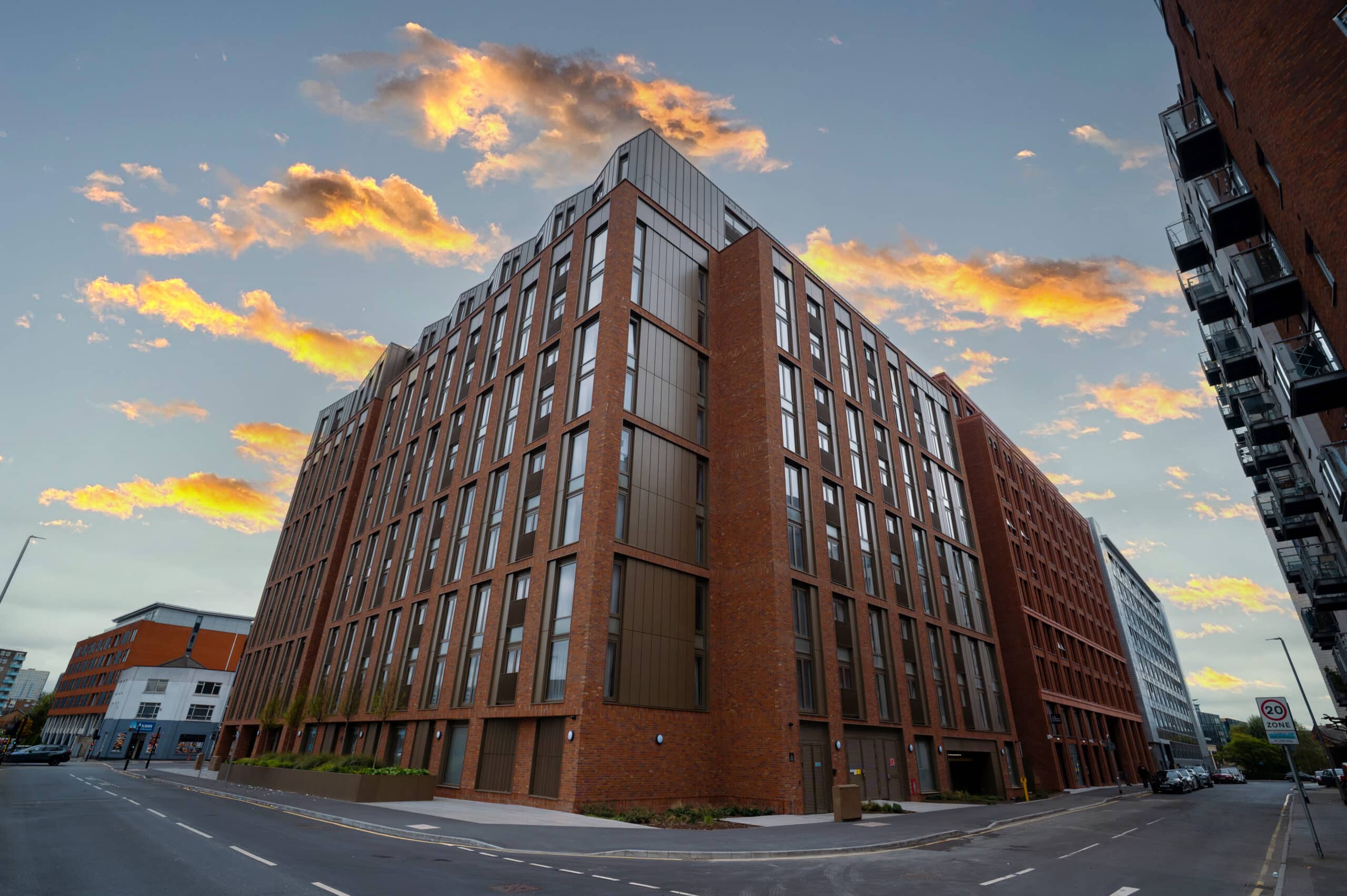
Key Build to Rent connections include Flax Place, a 300‑apartment scheme developed by Torsion Group, and Spinners Yard, a 185‑home development. At Spinners Yard, the use of Leeds PIPES meant heating accounted for just 10% of the building’s permitted carbon footprint, directly supporting planning approval.
As Nigel Rawlings, Chairman of Rise Homes, notes:
“Accreditations such as BREEAM Excellent add value to the building, and people care about living in a sustainable place. When you factor in heat losses and maintenance, residents are still getting a relative saving compared to electric heating. And the connection helped us secure Brownfield Housing Grant funding.”
These schemes highlight the value of heat networks for high‑density developments where performance, compliance and future‑proofing are critical.
Student accommodation
With strong growth in Leeds’ student population and rising expectations around sustainability and affordability, developers are increasingly turning to low‑carbon heat networks as a preferred solution.
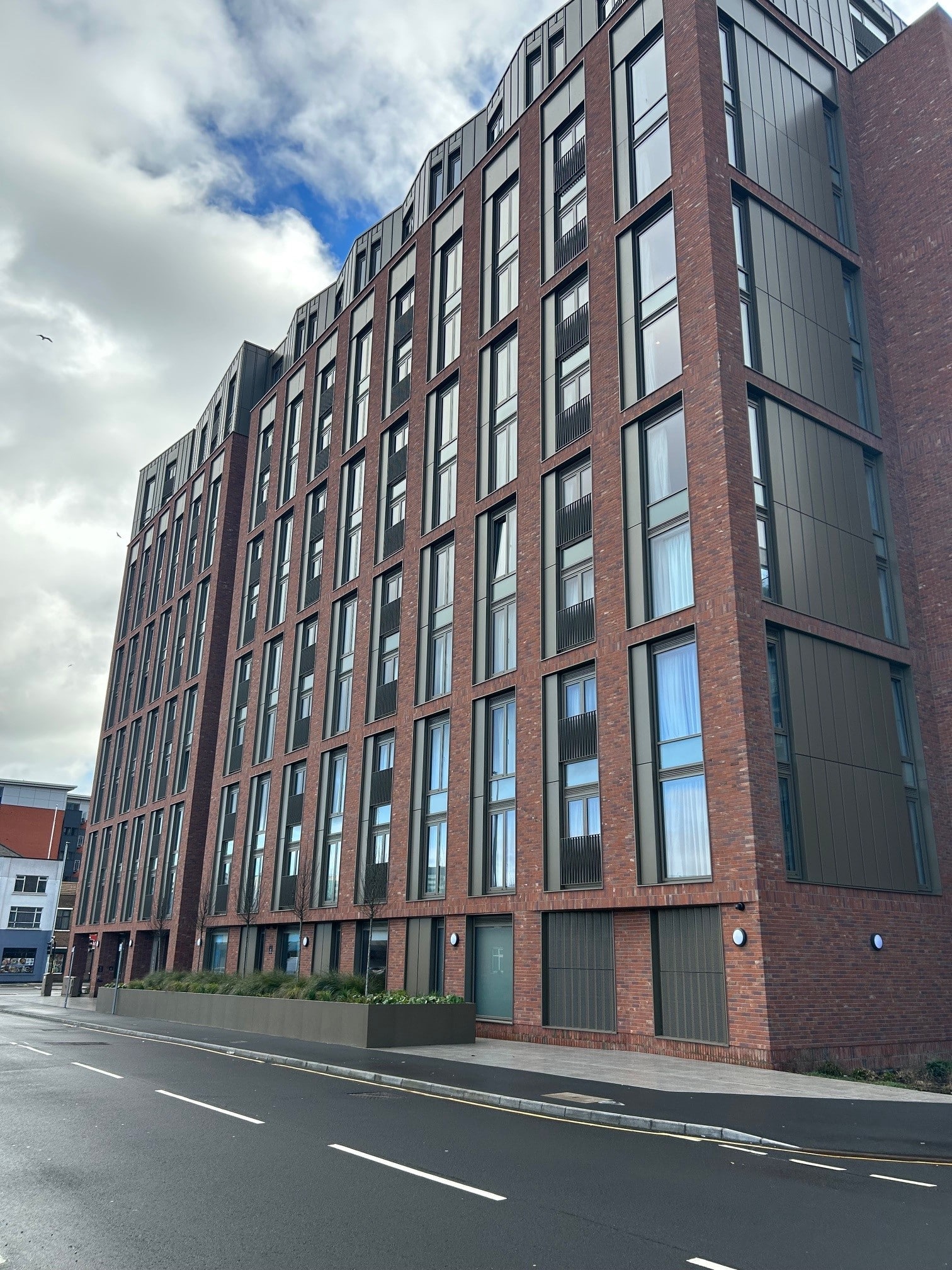
Leeds PIPES now supplies a range of new build and conversion‑led student accommodation schemes, including Fabric Works, Leonardo, Thorpeby, Headrow Court, Tribeka and 26 Great George Street. These developments range from Victorian building conversions to modern high‑rise blocks, demonstrating the flexibility of the network across varied building types.
By providing reliable heat that is not linked to volatile fossil fuel markets, Leeds PIPES supports student priorities around predictable costs, comfort and environmental performance. Connected schemes range in scale from around 50 units to more than 500, proving the suitability of heat network integration across all development sizes.
A future‑ready solution for residential growth
Leeds PIPES shows how a modern, city‑wide heat network can support every segment of residential development. Its proven performance, strong developer uptake and rapid expansion across social housing, Build to Rent and student accommodation demonstrate a scalable, future‑ready model for cities seeking reliable and affordable decarbonisation.
By combining low‑carbon generation, resilient infrastructure and long‑term operational expertise, Leeds PIPES enables residential developments to meet today’s requirements while remaining ready for tomorrow’s net zero expectations.
Photographs provided by Vital Energi.