
Leeds Teaching Hospital NHS Trust – Vital Energi
At St James’s Hospital, Leeds Teaching Hospitals NHS Trust has taken a significant step towards its net zero ambitions by connecting to the Leeds PIPES heat network, making a strong contribution to eliminating fossil fuel use and lowering emissions.
Leeds Teaching Hospitals NHS Trust is one of the busiest acute hospital groups in the UK. It cares for more than 1.6 million patients each year and has an estate of seven hospitals. The Trust is not only committed to becoming net zero by 2040, but has stated that, if possible, it would like to go beyond this goal, becoming one of the greenest NHS trusts in the country.
At St James’s Hospital, the Trust has taken a significant step towards that ambition by connecting to the Leeds PIPES heat network, making a strong contribution to eliminating fossil fuel use and lowering emissions.
We supported the Trust through the funding process to successfully receive £21.3 million of Public Sector Decarbonisation Scheme funding, which was essential to deliver earlier phases of energy works.
Establishing the Foundation of the Heat Network
Phase 1 focused on establishing the core infrastructure required for a future heat-network-led approach works includes:
- Refurbishment of existing energy centre
- Installation of a Combined Heat and Power (CHP) system
- Integration of a waste heat boiler
- Construction of the first section of the internal heat distribution network
Whilst these technologies provided early carbon and efficiency gains, they also, importantly, laid the foundation for a heat network capable of accepting low temperature and low carbon heat in future phases.
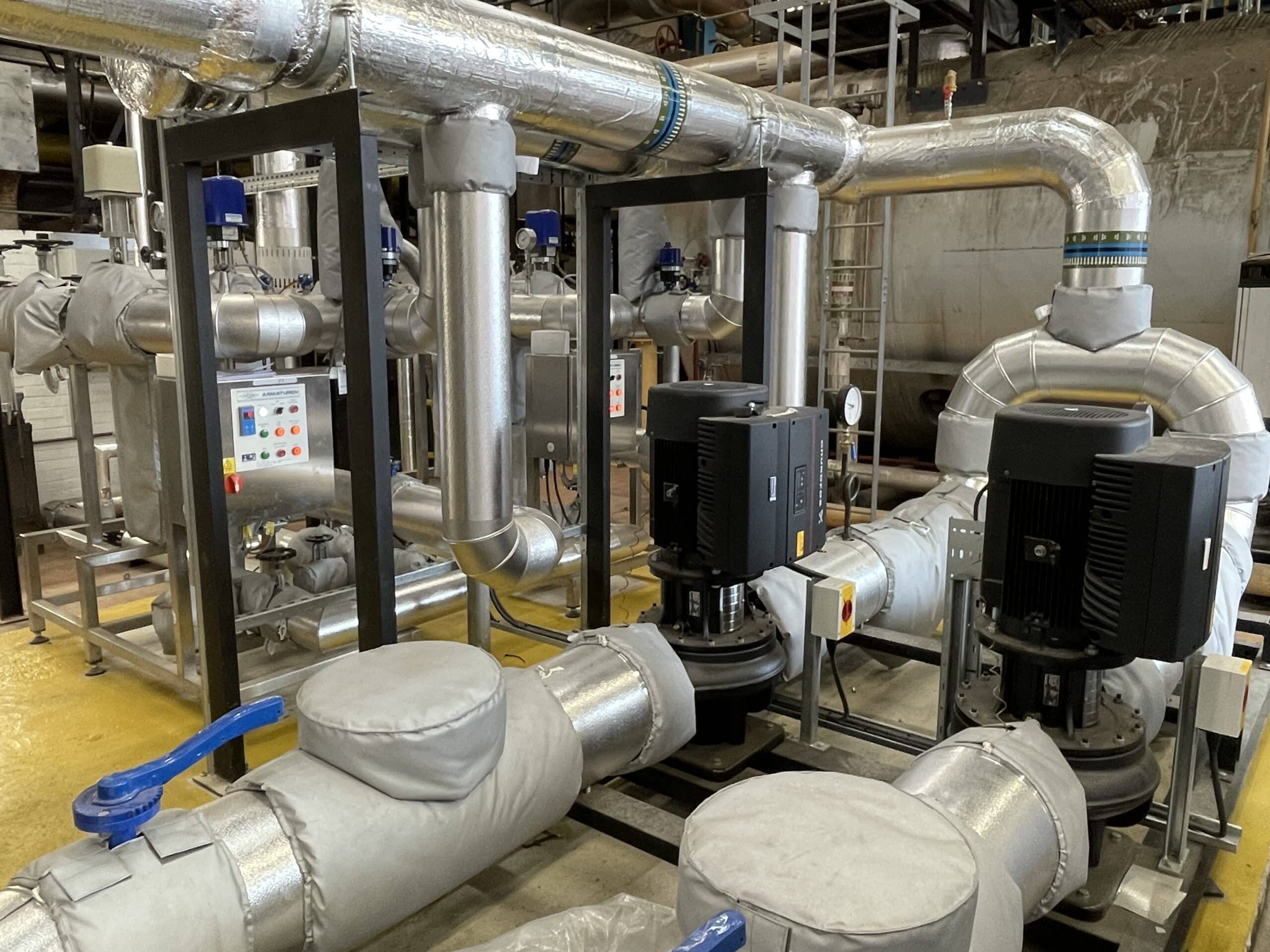
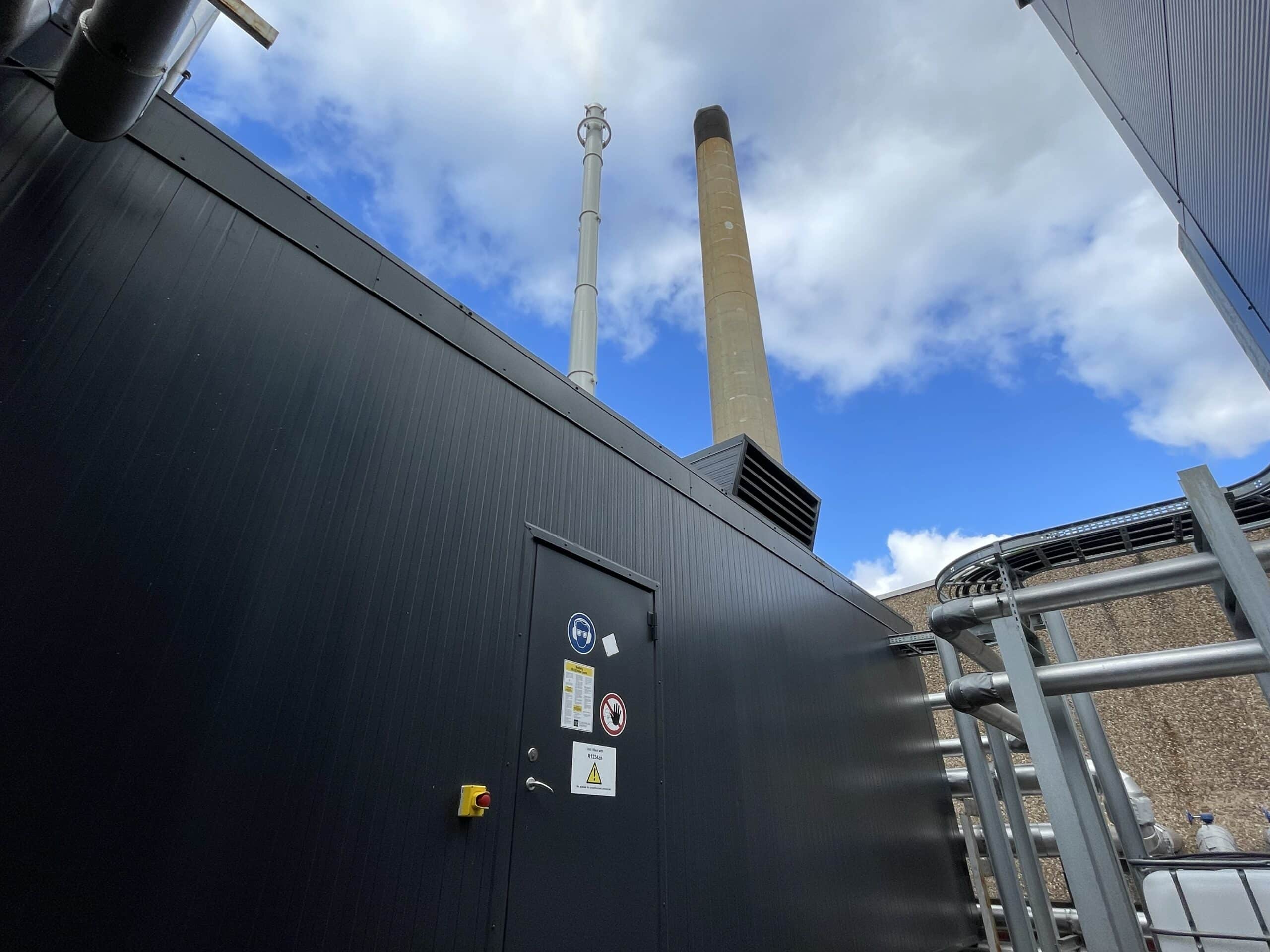
Phase 2 strengthened the network by adding air source and water source heat pumps, which interfaced with the existing network and modernised part of the estate’s heating infrastructure.
This phase also delivered the first direct connection to Leeds PIPES, supplying Beckett Wing with low carbon heat and demonstrating the feasibility of integrating a city wide heat network into a complex clinical environment.
Phase 3 marked a significant expansion of the scheme and a step change in carbon performance. Key elements included:
- Replacement of the ageing steam boiler with a steam‑to‑low‑temperature hot water (LTHW) heat exchanger
- Expansion of the internal heat network to connect a further 16 buildings
- Full compatibility with the Leeds PIPES heat network, which was connected into the system
Looking to the Future
Phase 4 will extend the LTHW network to Bexley Wing, enabling both heating and hot water to be supplied through the hospital’s heat networks.
Secondary works include:
- Removal of steam fed humidifiers (replaced with electric units)
- Further boiler replacements
- An additional steam to LTHW heat exchange installation
While these upgrades support the overall transition, the priority remains the continued expansion and optimisation of the heat network.
Conclusion
Not only does this project demonstrate how city-wide heat networks can expand to incorporate large, complex hospital facilities, it shows how this can be done as a large, multi-building project or a controlled, phased approach.
Additionally, by adding the heat network, this now gives the Trust the flexibility to choose how it heats its premises, choosing the most commercially advantageous and environmentally beneficial option at any given time.