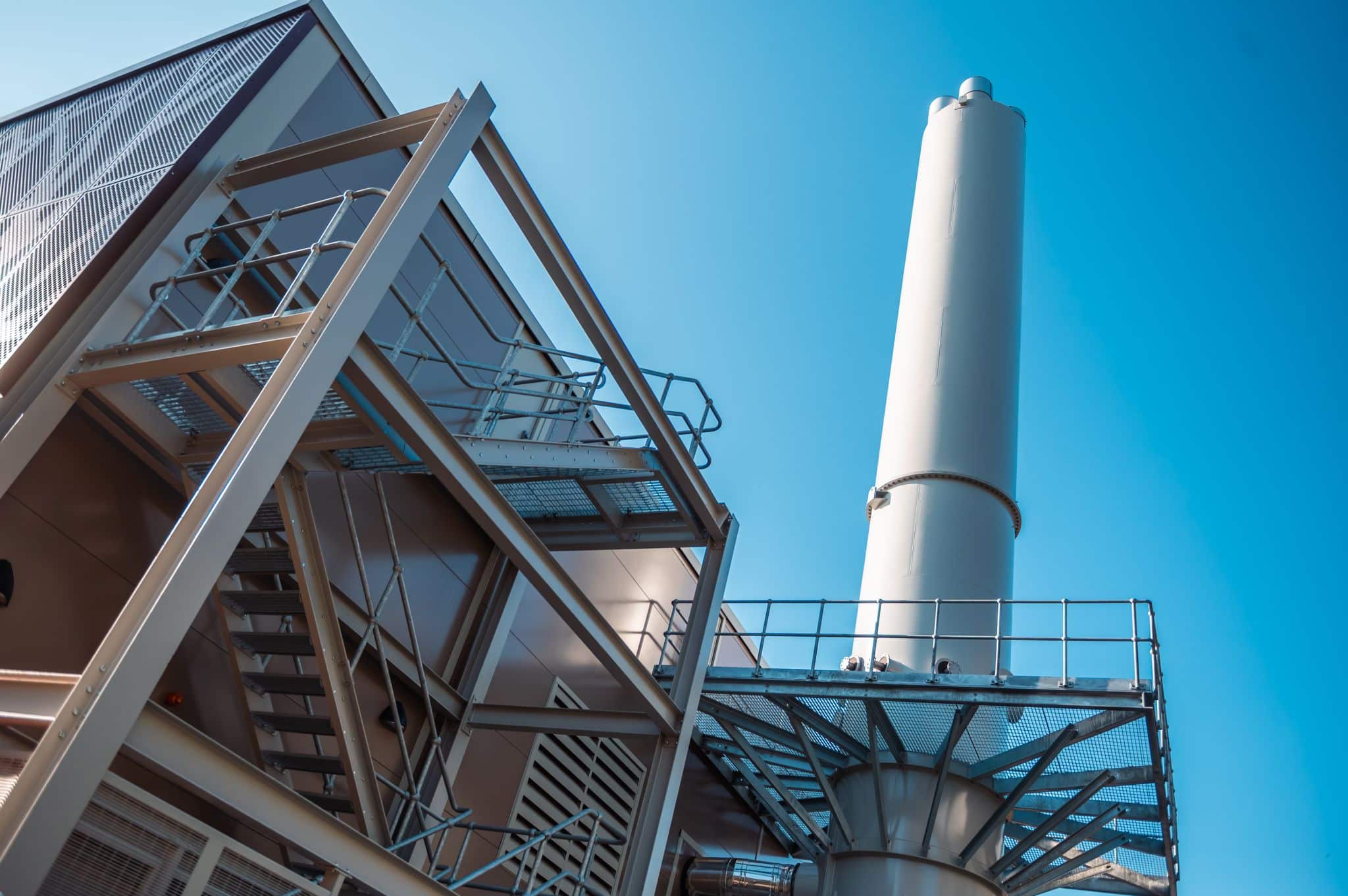
Solihull Council’s pioneering Low Carbon Energy Network unlocking low-carbon growth
Solihull Council’s Low Carbon Energy Network is setting a new benchmark for local authority-led heat networks in the UK. The £18.5m scheme is the first heat network to secure funding from the National Wealth Fund, representing a major milestone in the transition to low-carbon energy infrastructure.
Designed to transform how the West Midlands town generates and consumes energy, providing low-carbon heating, hot water and electricity to key buildings across the town centre.
The first phase will connect major anchor customers including:
- Solihull College
- Tudor Grange Academy
- The Core Theatre
- Tudor Grange Leisure Centre.
The network is designed for expansion, with future phases planned to connect additional buildings in line with Solihull Council’s Town Centre Masterplan, supporting the government’s ambition to increase heat network coverage from 3% to 20% by 2050.
Sophisticated Energy Centre Design
At the heart of the network sits a purpose-built energy centre housing a:
- 5MW Combined Heat and Power (CHP) unit
- 6MW of thermal energy Air Source Heat Pumps (ASHP)
- Water Source Heat Pumps (WSHP) providing an additional 1.6MW of renewable heat capacity
- Thermal storage systems ensuring reliable supply and system efficiency
Network Integration
5km of pipework will balance current requirements with future expansion potential. Careful route planning minimised disruption through the busy town centre while maximising connectivity to anchor buildings. Heat Interface Units and plate heat exchangers will be carefully installed in customer buildings to replace existing gas boilers, this section of work will be scheduled to minimise disruption to educational facilities and public buildings.
Overcoming Complex Urban Infrastructure Challenges
Delivering a 5km heat network through a busy town centre presented multiple complex challenges that required innovative solutions and adaptive project management. Homer Road, Solihull’s primary arterial route serving a major shopping centre, presented one of the project’s most significant considerations.
Rather than closing the route end‑to‑end, Vital Energi developed a sectional delivery strategy, completing each section individually before moving on. This maintained continuous access for businesses while enabling safe and efficient installation.
Social Value Commitments
Social value has been a key focus of the Solihull Energy Network, with delivery centred on education, skills and local economic benefit.
Key commitments include:
- 180 weeks of apprenticeship opportunities
- £2.89m invested in the local supply chain
- Wellbeing support provided to 30 individuals
- 24 hours of school and college engagement, including energy centre tours and STEM learning sessions
Site visits and presentations at Solihull College have helped demonstrate low‑carbon energy technologies in practice, supporting skills development and long‑term career pathways.
Performance & Impact
Once operational, the network will replace multiple individual gas boiler systems with centralised, low‑carbon generation, providing customers with reliable heat, long‑term cost stability and protection from fossil fuel price volatility.
Project milestones achieved include:
- 5km heat network installed and progressing to commissioning
- Energy centre construction complete with CHP and thermal storage installed
- Solar PV operational, delivering a 40% reduction in electricity costs
- Customer connections on track for completion summer 2026
In Solihull, nearly half of all greenhouse gas emissions originate from buildings. Phase one of the network is expected to save 1,070 tonnes of carbon, making a significant contribution to the town’s net zero ambitions.